Wildfires in Europe: How Will Your Holiday Be Impacted?

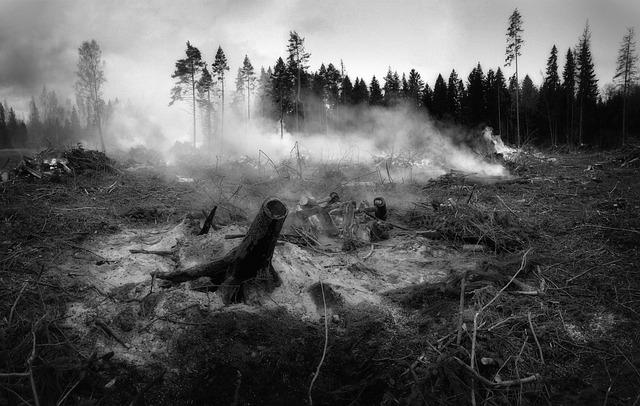
As summer rolls in, many travelers are eager to explore the sunny coasts and verdant landscapes of Europe. But in recent years,wildfires have increasingly disrupted travel plans,especially in regions popular for their natural beauty. In 2023, a severe heatwave has struck, escalating the spread of wildfires across Turkey, Greece, and Albania. This article will delve into how these wildfires might impact your upcoming holiday, providing valuable insights and practical tips for planning your trip.
Understanding the Wildfire Situation in Europe
Wildfires have become a recurrent theme in European summers, particularly in Mediterranean countries.Factors contributing to this persistent issue include:
- Extreme Temperatures: A heatwave has enveloped the region, with soaring temperatures drying out vegetation.
- Drought Conditions: many areas go through prolonged dry spells, making them vulnerable to ignition.
- Strong Winds: Winds can rapidly spread fires, complicating firefighting efforts.
Current Situation in Turkey, Greece, and Albania
The recent wildfires have particularly affected tourism hotspots:
- Turkey: Regions like Muğla and Antalya have experienced devastating fires, forcing evacuations and leading to flight disruptions.
- Greece: The islands of Rhodes and Corfu are battling major blazes, prompting national alerts and travel warnings.
- Albania: Forest fires in Albania have led to the closure of certain tourist areas and roads.
How Will Your Holiday Be Affected?
While the landscapes may attract visitors, safety should always be a priority. here’s how the wildfires can impact your travel plans:
1. Travel Restrictions and Cancellations
Several airlines and travel agencies are revising their flight schedules and accommodations. Be prepared for:
- Flight cancellations or re-routing due to safety concerns.
- Increased demand for choice travel routes and options.
2. Safety Concerns
Your first concern should be safety. Ensure you stay informed via:
- Travel advisories from government and local authorities.
- Real-time updates from news websites and social media platforms regarding fire statuses.
3. Limited Access to Attractions
Wildfires may lead to:
- Closure of national parks and scenic areas.
- Reduced access to beaches or hiking routes.
4. Increased Insurance Costs
Travel insurance might reflect the heightened risk with:
- Higher premiums.
- Specific clauses related to natural disasters,including delays or cancellations.
Practical tips for Travelers
While planning your holiday, consider the following tips:
1. Stay updated
Regularly check:
- The Weather Channel for updates on temperatures and conditions.
- Official tourism websites of your destination for real-time facts.
2. Flexible Travel plans
Put plans in place that are adaptable:
- Book refundable accommodations and flexible flight options.
- Be prepared to change destinations if necessary.
3. Invest in Travel Insurance
Ensure your insurance covers cancellations due to wildfires or related evacuations.
4. Emergency Preparedness
If traveling to affected areas:
- Have an emergency plan in place.
- Know the nearest evacuation routes and contact points.
Conclusion
While wildfires in Europe pose significant challenges, being informed and prepared can help you navigate these issues. Poland, Hungary, and other non-Mediterranean countries may still offer breathtaking vacations away from fire-prone areas. Prioritizing safety, staying flexible, and monitoring updates can ensure your holiday remains enjoyable and memorable, even amid chaotic environmental conditions. Embrace adventure — just with a touch of caution.