Roosevelt Island’s Micro-Forest: A Quiet Space for New Yorkers
Introduction
In the heart of New York City, a unique and tranquil oasis has emerged on Roosevelt Island. Just over a year ago, the city’s first micro-forest was planted, transforming an urban space into a thriving ecosystem of native flora and fauna. This innovative project not only offers a serene retreat for New Yorkers but also serves as a vital step towards enhancing urban biodiversity and environmental sustainability. In this article, we delve into the creation of roosevelt Island’s micro-forest, exploring its benefits, the species it supports, and how it’s becoming a cherished quiet space amidst the city’s hustle and bustle.
The Birth of a Micro-Forest
What is a Micro-Forest?
A micro-forest is a densely planted area of native trees and plants designed to mimic a natural forest’s ecological processes. Despite its small scale, a micro-forest can support a diverse range of species and provide significant environmental benefits, including air purification, temperature regulation, and habitat creation.
Roosevelt Island’s Green Transformation
Roosevelt Island’s micro-forest was planted with the vision of bringing a slice of nature back into the urban environment. By carefully selecting native species, the project aims to foster a self-sustaining ecosystem that supports birds, insects, and other wildlife, creating a vibrant interspecies network.
The Benefits of Urban Micro-Forests
- Biodiversity Enhancement: Micro-forests introduce a variety of plant and animal species to urban areas, increasing local biodiversity.
- Air Quality Advancement: Trees and plants absorb pollutants and produce oxygen,contributing to cleaner air.
- Mental Health Oasis: Natural spaces in urban environments have been shown to reduce stress and improve mental well-being.
- educational Opportunities: Micro-forests serve as outdoor classrooms where people can learn about ecology and conservation.
- Climate Resilience: By absorbing rainwater and providing shade, micro-forests can help cities adapt to the impacts of climate change.
A Thriving Ecosystem on roosevelt Island
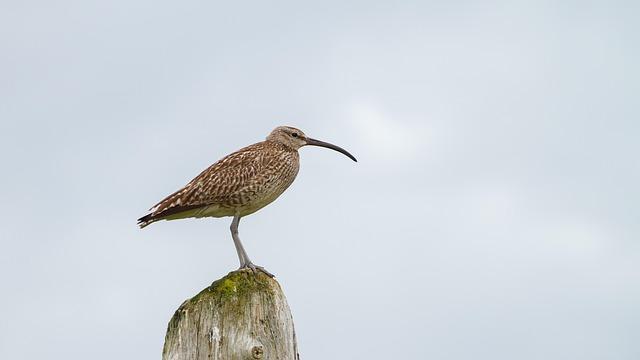
Since its inception, Roosevelt Island’s micro-forest has become home to an array of native species. From the towering oaks to the underbrush of ferns and wildflowers,each plant plays a role in supporting the forest’s inhabitants. Birds nest in the canopy, while insects thrive among the leaves and soil, creating a balanced ecosystem that enriches the urban landscape.
Experiencing the Micro-Forest
Visitors to Roosevelt Island’s micro-forest can enjoy a unique natural experience in the midst of the city. Walking paths meander through the forest, allowing for immersive encounters with nature. Benches placed throughout the area offer spots for contemplation and relaxation, inviting New Yorkers to pause and connect with the environment.
Practical Tips for Visitors
- Best Times to Visit: Early morning or late afternoon are ideal for experiencing the forest’s tranquility and observing wildlife.
- What to Bring: Consider packing a water bottle, binoculars for bird watching, and a camera to capture the beauty of the forest.
- Leave No trace: To preserve the micro-forest’s integrity, visitors are encouraged to take only photos and leave only footprints.
The Future of Urban Green Spaces
Roosevelt Island’s micro-forest is a pioneering example of how cities can integrate nature into the urban fabric. As the forest matures, it will continue to offer invaluable ecological and social benefits, serving as a model for future green space projects in New York City and beyond.
Conclusion
The creation of Roosevelt Island’s micro-forest marks a significant achievement in urban environmentalism,providing a peaceful haven for both people and wildlife. as this micro-forest thrives, it stands as a testament to the positive impact that such green spaces can have on urban areas, offering a blueprint for sustainable city living. By fostering biodiversity, improving air quality, and offering a respite from urban stress, Roosevelt Island’s micro-forest is not just a quiet space for New Yorkers—it’s a beacon of hope for the future of urban green spaces.
As we continue to navigate the challenges of urbanization and environmental degradation, projects like the Roosevelt Island micro-forest remind us of the power of nature to heal and harmonize. It encourages us to reimagine our cities as places where nature thrives alongside us, enriching our lives and the environment. Let’s take inspiration from this micro-forest and advocate for more green spaces in our cities,for the health of our planet and the well-being of future generations.