New Report Details Trump’s Travel impact on US Hotel Performance
In today’s ever-evolving travel landscape, the impact of political events and policies on tourism cannot be overlooked. A recent analysis has turned heads, revealing that over 50% of US markets are reporting declines in hotel performance, a trend that many attribute to former President Trump’s travel policies. This article delves into the findings of the report, examining the factors at play, the implications for the hospitality industry, and what it all means for travelers looking for adventure in the United States.
The Data Behind the Decline
The travel report, which aggregates data from a variety of sources including industry experts and market analysts, illustrates a worrying trend for hotel owners and investors alike. Key findings from the report include:
- Declines in occupancy rates across major US cities.
- Negative growth in revenue per available room (RevPAR).
- Increased competition from alternative lodging options, such as Airbnb and vacation rentals.
Why Are Hotels Struggling?
Several factors contribute to the shaky performance of hotels across the nation:
1. Political Climate
Trump’s travel bans and immigration policies have left many potential international travelers feeling unwelcome in the US. This uncertainty has led to:
- A noticeable decline in inbound tourism, notably from countries that faced stringent travel restrictions.
- Reduced participation in conferences and business-related travel, leading to dips in corporate bookings.
2. Economic Factors
Beyond political influence, economic conditions play a important role in travel behavior:
- Shifts in disposable income can affect travel budgets and propensity to book hotel rooms.
- uncertainty surrounding job markets leads families to postpone vacations or seek budget-kind alternatives.
3. The Rise of Alternative accommodations
Platforms like airbnb have revolutionized the travel experience, offering unique stays and often lower prices, which can make traditional hotels seem less appealing. Travelers are increasingly seeking:
- Cost-effective solutions that fit within their budget.
- Personalized experiences that may not be offered by conventional hotels.
Regional Insights: Where Are Hotels Hit Hardest?
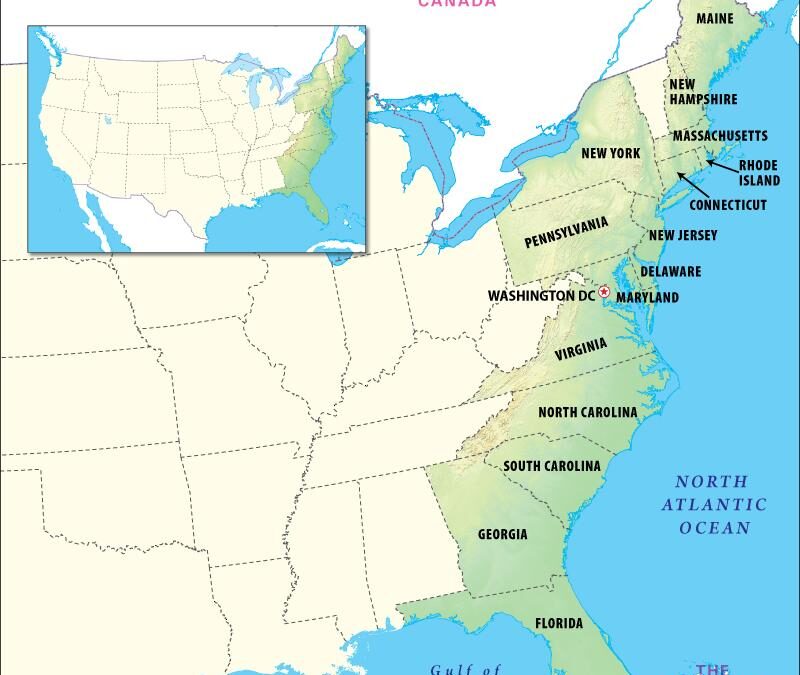
The effects of these dynamics vary by region. The report highlights significant declines in specific areas including:
| City | Occupancy Rate Change (%) | RevPAR Change (%) |
|---|---|---|
| New York city | -12.5% | -15.3% |
| Los angeles | -10.2% | -11.7% |
| Chicago | -8.6% | -9.1% |
| Miami | -7.4% | -9.0% |
Implications for Travelers
For travelers seeking adventure, the decline in hotel performance could lead to several key shifts in how accommodations market themselves:
- Increased promotional offers and discounts to attract guests.
- unique packages and experiences as hotels diversify their appeal.
- Improved guest services and amenities to enhance the overall travel experience.
Practical Tips for Navigating the Current Hotel Landscape
Travelers should adapt their strategies to ensure they get the most out of their trips in light of these changes:
- Book Early: Securing accommodations earlier can help snag the best rates before prices potentially increase.
- Compare Alternatives: Explore vacation rentals, hostels, and boutique hotels which may provide broader options and unique experiences.
- Stay Flexible: If possible, adjust travel dates to take advantage of off-peak pricing and availability.
Looking Ahead: Future Prospects for US Hotel Performance
As the US hospitality sector grapples with these challenges, recovery strategies will be essential. Hotels may need to innovate continually to adapt to shifting consumer preferences and external pressures. Here are a few avenues they might explore:
- Leveraging technology to enhance the guest experience, such as contactless check-ins and digital concierge services.
- Eco-friendly and socially responsible practices that appeal to younger, environmentally-conscious travelers.
- Building stronger partnerships with local businesses to create enticing packages for guests.
Conclusion
The current state of hotel performance in the US,as highlighted in this recent report,reflects broader socio-political dynamics and changing consumer behavior. For travelers seeking unique experiences, this moment presents not only challenges but also opportunities to uncover lesser-known destinations and diverse accommodations. as trends continue to evolve, staying informed and adaptable will empower travelers to navigate the complexities of the hotel landscape effectively.