
Understanding Air Turbulence: Is It Getting Worse?
as seasoned travelers, we’ve experienced our fair share of air turbulence. It’s a common part of flying,but it can still be unsettling. In this article, we’ll demystify air turbulence, answer your burning questions, and discuss whether it’s getting worse.
what is Air turbulence?
Air turbulence is a sudden change in airflow that can cause an aircraft to shake. It’s usually caused by atmospheric pressure, jet streams, air around mountains, cold or warm weather fronts, or thunderstorms. Despite the discomfort it may cause, turbulence is a normal part of flying and is rarely dangerous.
Types of air Turbulence
There are several types of air turbulence that you might experiance during a flight:
- Light turbulence: Slight, erratic changes in altitude and/or attitude, and the aircraft may be momentarily out of control.
- Moderate turbulence: Changes in altitude and/or attitude occur but the aircraft remains in positive control at all times. It usually causes variations in indicated airspeed.
- Severe turbulence: Large, abrupt changes in altitude and/or attitude. It usually causes large variations in indicated airspeed and the aircraft may be momentarily out of control.
- Extreme turbulence: The aircraft is violently tossed about and is practically impossible to control. It may cause structural damage.
Is Air Turbulence Getting Worse?
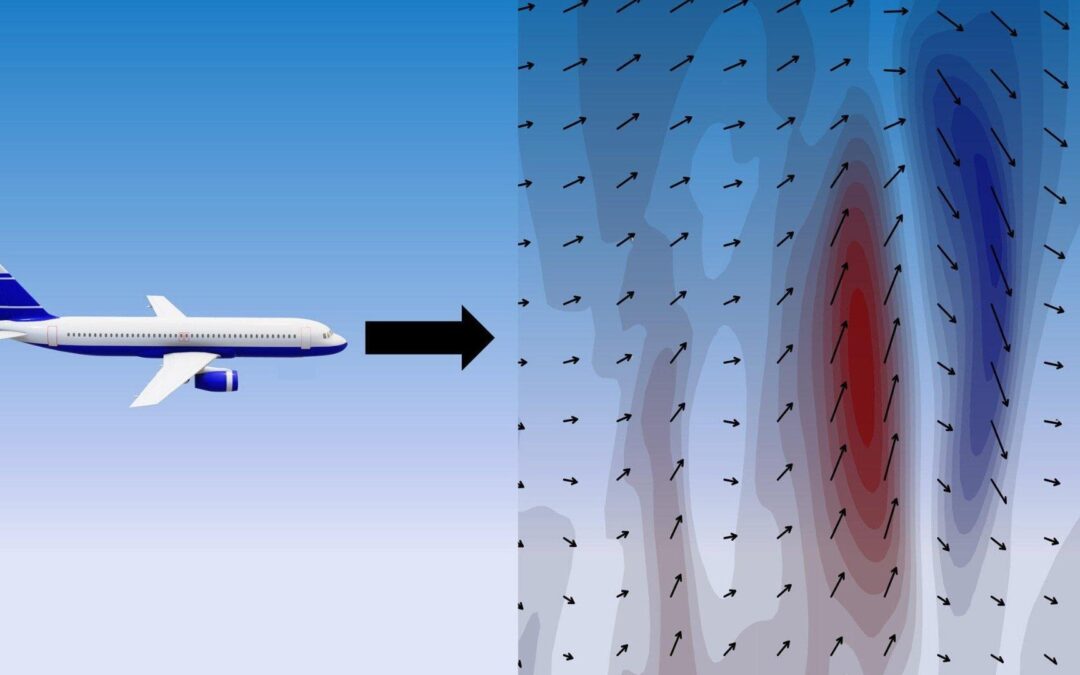
recent studies suggest that climate change could increase the frequency and intensity of turbulence. As global temperatures rise, weather patterns become more unpredictable, perhaps leading to more turbulent flights. Though, advancements in aviation technology and forecasting methods are helping pilots better predict and avoid turbulence.
How to Handle Air Turbulence
While turbulence can be uncomfortable, there are ways to manage it:
- keep your seatbelt fastened: This is the simplest way to protect yourself from injury during turbulence.
- try to relax: Tensing up can make your body feel the turbulence more acutely.Deep breathing can help you relax.
- Choose larger aircraft: Larger aircraft are generally more stable and better equipped to handle turbulence.
- Book morning flights: Turbulence is more common in the afternoon and evening, so morning flights are frequently enough smoother.
Conclusion
Air turbulence can be a bit unnerving, but it’s a normal part of flying. While climate change may increase turbulence in the future, advancements in technology are helping to mitigate its impact. By understanding what causes turbulence and how to handle it, you can make your next flight more agreeable.
Meta Title: Understanding Air Turbulence: Is It Getting Worse?
Meta Description: Get answers to your questions about air turbulence, learn how to handle it, and find out if it’s getting worse due to climate change.
